
Introduction
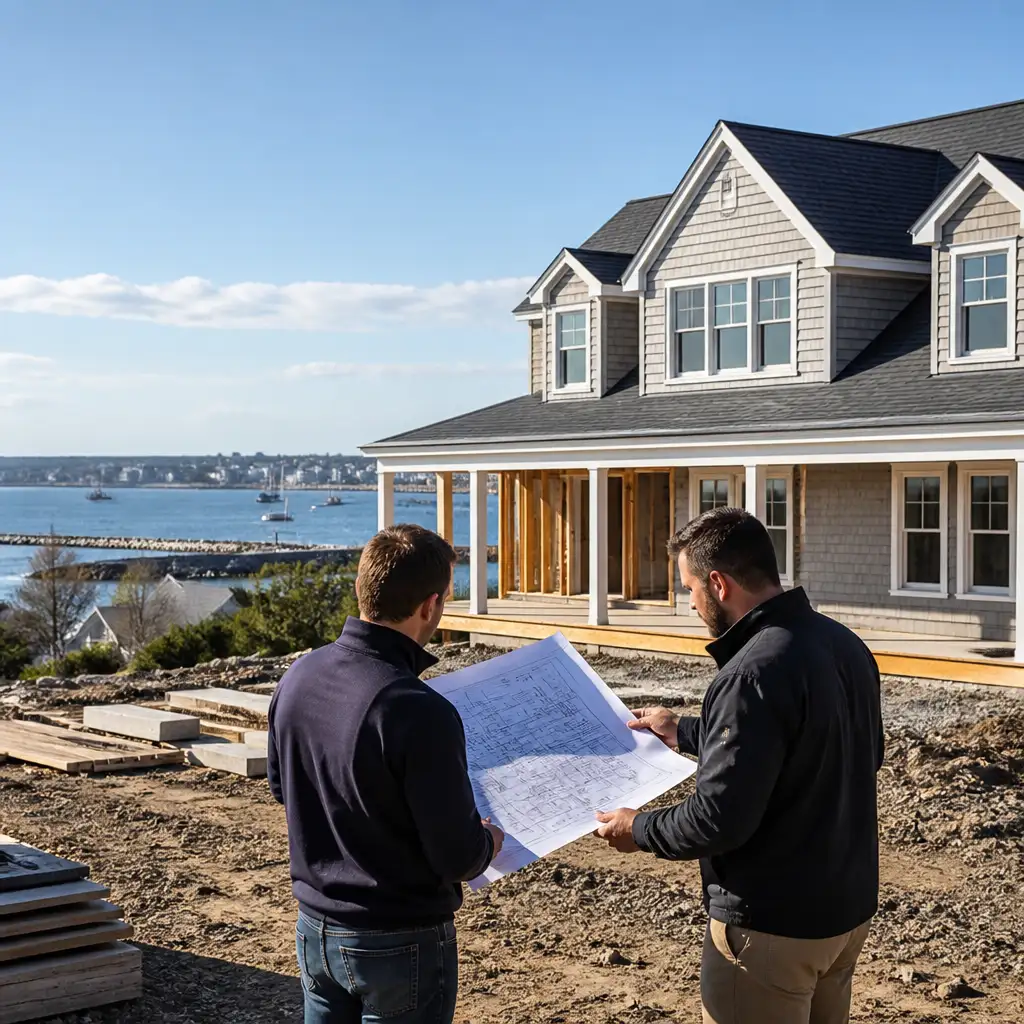
Planning a custom vacation home on your own lot in New Bedford brings exciting possibilities—and real decisions. Whether you own a waterfront parcel near Fort Taber, a lot with a harbor glimpse, or an inland Southcoast property, the choices you make early on will affect project timeline, durability in salt air, insurance costs, and long‑term value.
For second‑home owners, retirees planning seasonal living, families building a getaway, or investors preparing a rental property, this guide explains what to expect from pre‑construction through move‑in. It focuses on realistic timelines, coastal material recommendations, contractor coordination, and seasonal maintenance strategies that protect your investment against New Bedford’s marine climate.
RJ Built works with homeowners across the Cape and Southcoast on build‑on‑your‑lot projects and custom homes. If you already own land and are exploring options, our build on your lot program is designed to guide owners through site assessment, permitting, and construction with hands‑on management from experienced local builders.
Read on for practical, homeowner‑focused guidance so you can plan a vacation home that’s beautiful, low‑maintenance, and resilient to coastal conditions.
Realistic Timeline: From Site Assessment to Move‑In
Understanding a reasonable schedule up front helps you set expectations and budget for carrying costs. A typical build‑on‑your‑lot custom vacation home in New Bedford follows these phases and approximate durations:
- Pre‑design and site evaluation (2–6 weeks): Survey, soil testing, septic feasibility and basic site constraints. Early work determines setbacks, access, and whether your lot is in a flood zone.
- Design and budgeting (1–3 months): Work with an architect or plans package to refine layout and selections. Time varies with revision cycles.
- Permitting and approvals (1–4 months, sometimes longer): Local building permits, possible Conservation Commission review, septic plan approval, and any FEMA elevation requirements can extend this phase.
- Contracting and pre‑construction (2–6 weeks): Finalize a construction contract, schedule trades, and order long‑lead items (windows, doors, special siding).
- Site work and foundation (4–8 weeks): Clearing, excavation, foundation, and utilities.
- Shell and rough‑ins (8–14 weeks): Framing, roof, windows, and mechanicals—plumbing, HVAC, electrical.
- Finishes and exterior work (8–16 weeks): Insulation, drywall, cabinets, flooring, siding, decks, and final site grading.
- Punch list and closeout (2–6 weeks): Final inspections, corrections, and certificate of occupancy.
All told, most custom vacation homes on private lots in the Southcoast take roughly 9–14 months from design start to move‑in under normal conditions. Complex sites, strict permitting, or winter access challenges can lengthen that timeline—so build contingency time into plans.
Permits and Local Considerations in New Bedford, MA
New Bedford has its own permitting processes on top of state and federal rules. Key local considerations include:
- Building permits and inspections: The New Bedford Building Department issues permits and enforces code. Plan for standard submittals—plans, energy calculations, and inspections.
- Conservation and wetlands reviews: If your lot is near protected wetlands or coastal banks, the New Bedford Conservation Commission or the Massachusetts Wetlands Protection Act may require filings and mitigation measures.
- Septic and Board of Health: For lots without municipal sewer, septic design approval can take time; consider this early when budgeting and scheduling.
- Flood zones and FEMA rules: If your lot lies in a flood zone, FEMA elevation requirements and local floodplain bylaws can affect foundation design, first‑floor heights, and insurance premiums.
- Historic district or neighborhood restrictions: Some areas of New Bedford have design guidelines or historic review—confirm with the planning department.
Because permitting timelines vary, many homeowners in New Bedford begin design in the fall or winter so that construction can proceed as soon as approvals are in hand. RJ Built’s hands‑on project management helps coordinate these steps so approvals don’t become a surprise delay.
Choosing Salt‑Air‑Resistant Materials for Coastal Longevity
Salt air accelerates corrosion and finish failure. Choose materials that resist moisture, rot, and rust to reduce maintenance and extend life span. Recommended options for Southcoast vacation homes include:
- Siding: Fiber cement and high‑quality vinyl are low‑maintenance options. If you prefer wood shingles for authenticity, specify cedar with durable coatings and proper ventilation.
- Trim and gutters: Use PVC or cellular PVC trim and seamless aluminum gutters with stainless fasteners to avoid rust stains and deterioration.
- Fasteners and connectors: Specify stainless steel or hot‑dip galvanized hardware for exposed exterior elements, especially near the shoreline.
- Decking: Composite decking and PVC railing systems resist salt and moisture better than untreated wood. For a traditional look, pressure‑treated or properly finished tropical hardwoods can work if maintained.
- Roofing: Standing seam metal roofs and architectural asphalt shingles rated for coastal exposure perform well; ensure flashing details are marine‑grade.
- Windows and doors: Impact‑rated or marine‑grade windows with durable coatings and proper drainage keep water and salt out while improving energy efficiency.
- Insulation and moisture control: Closed‑cell spray foam or well‑detailed exterior insulation plus a ventilated rainscreen will reduce condensation and help protect framing.
Choosing these materials initially costs more in some cases but saves on repainting, replacement, and repairs—important for vacation homes where owners may be away for months at a time.
Coordinating Contractors, Trades, and Project Management
Successful builds depend on sequencing, timely decisions, and an experienced team. Practical tips:
- Single point of responsibility: A builder who manages trades—framing, roofing, siding, mechanicals—helps prevent scheduling gaps. RJ Built provides full‑service project management and owner involvement from start to finish.
- Lead times: Order long‑lead items (windows, custom millwork, specialty siding) early in the schedule to avoid delays during finishing stages.
- Decision calendar: Create a timeline for selections—kitchens, baths, fixtures—so trades are never waiting on approvals.
- Site logistics: For New Bedford lots, plan access for trucks and staging areas, and consider seasonal constraints like winter access or tide‑related marshaling on waterfront properties.
- Communication: Regular progress updates, schedules, and budget checks reduce surprises. Hands‑on ownership involvement ensures quality control and timely problem solving.
If you’re researching builders, review portfolios of custom home construction on similar sites and ask about project management approach, warranty, and trade relationships.
Exterior Systems That Withstand Wind, Moisture, and Salt
Exterior system design is one of the strongest lines of defense against coastal weather. Consider these integrated systems:
- Rainscreen assemblies: A ventilated rainscreen behind siding reduces trapped moisture and speeds drying—especially important with cedar shingles or fiber cement.
- High‑performance weather barrier: A continuous WRB (weather‑resistant barrier) and properly flashed openings limit water intrusion and increase durability.
- Durable roofing system: Combine a vented roof assembly, quality underlayment, and a corrosion‑resistant roof finish. Standing seam metal or upgraded architectural shingles with proper fastening are common choices.
- Protected penetrations: Use marine‑grade flashing around decks, chimneys, and roof penetrations and ensure positive drainage away from the house.
- Detail‑oriented trim: PVC trim and composite fascia resist rot, while soffit ventilation reduces attic moisture buildup.
These systems work together to reduce long‑term maintenance and support energy efficiency—both valuable for vacation homes and rental properties trying to preserve curb appeal and market value.
Seasonal Maintenance and Storm Preparedness to Protect Value
Owning a vacation home in New Bedford means planning for times when the property is unattended and for the region’s storm seasons. A simple, scheduled maintenance plan can prevent small issues from becoming expensive repairs.
- Spring checklist: Rinse salt from siding and decks, inspect roofing and flashing after winter storms, service HVAC and sump pumps, clear gutters, and check the foundation and grading.
- Summer checklist: Treat wooden decks and railings, inspect seals on windows and doors, and address any exterior paint or stain issues early.
- Fall checklist: Secure outdoor furniture, winterize irrigation, check storm shutters or window protections, and have fuel for backup generators if you use them.
- Storm preparedness: Keep an emergency kit of spare plywood, storm shutters or rated window coverings, and a relationship with a local contractor who can respond quickly after a storm.
Regular maintenance protects insurance coverage and preserves resale value. For properties offered as vacation rentals, a documented maintenance plan is a selling point for guests and investors alike. Consider adding a low‑maintenance outdoor living area—RJ Built’s experience with custom deck construction can help you design durable entertaining spaces that stand up to salt air.
Frequently Asked Questions
Q: How long does permitting usually take in New Bedford for a coastal lot?
A: Permitting timelines vary. Minor projects can clear in a few weeks, while sites requiring Conservation Commission filings, septic approvals, or flood‑plain reviews can take several months. Starting permitting early in the design phase reduces schedule pressure.
Q: What materials are lowest maintenance for a vacation home near the water?
A: Fiber cement siding, composite decking, PVC trim, marine‑grade stainless fasteners, impact‑rated windows, and metal or architectural shingles rated for coastal exposure are all lower‑maintenance choices that resist salt, moisture, and wind.
Q: How do I budget for unforeseen coastal expenses during construction?
A: Include a contingency (typically 5–10% of construction costs) for site surprises, permit‑imposed changes, or material lead times. Budget separately for coastal upgrades—elevated foundations, flood‑compliant mechanicals, and high‑performance exterior systems—that reduce ongoing maintenance and insurance costs.
If you’re ready to take the next step in planning a custom vacation home on your lot, working with a local builder who understands Southcoast permitting, coastal materials, and project coordination will help you avoid delays and protect long‑term value. When you’re comparing approaches and builders, ask for examples of completed projects on similar New Bedford lots, references on storm resilience, and documentation of warranty and maintenance support.
If you own land and are ready to build, RJ Built’s Build on Your Lot program offers a straightforward path to creating a home tailored to your lifestyle and goals. Contact us at (508) 989-0101 or info@rj-built.com to discuss your property and explore available home designs.