
Introduction
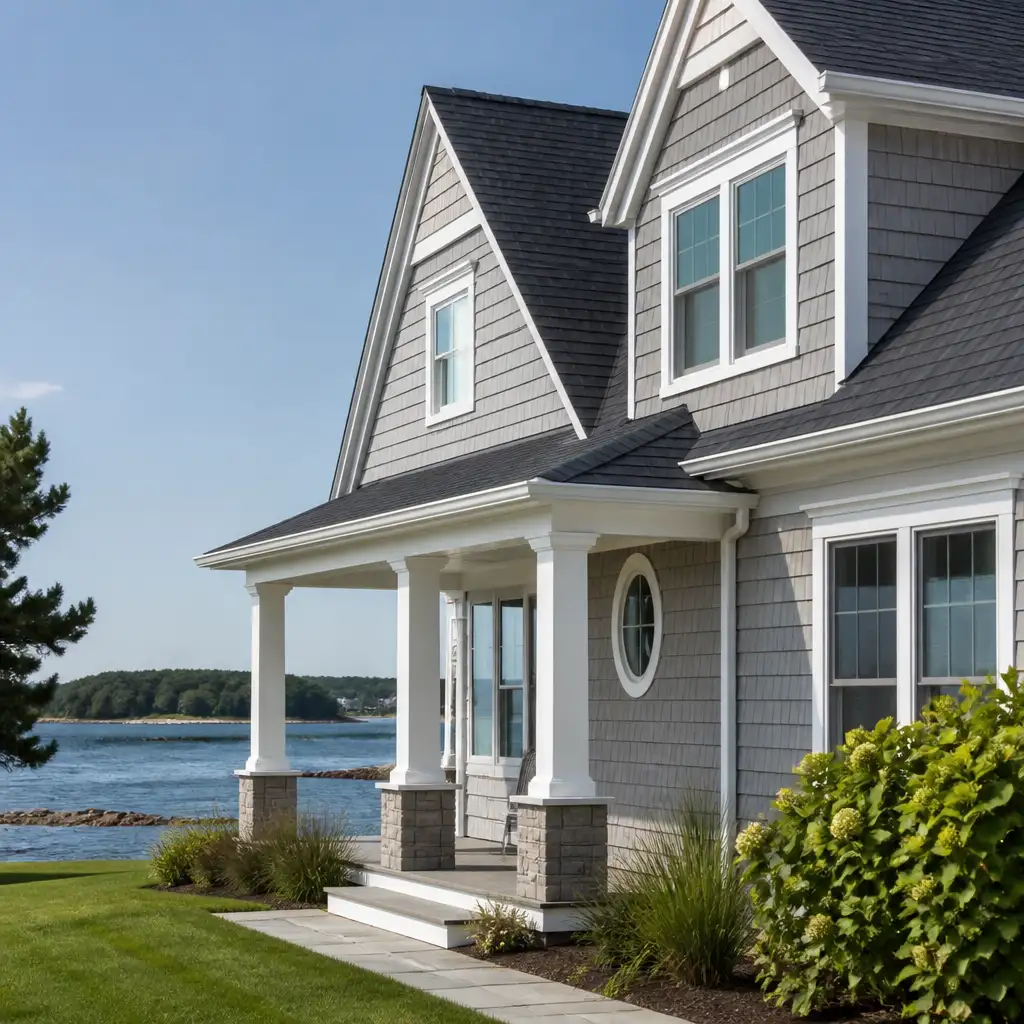
Replacing the siding and roof of a waterfront home in Falmouth, MA is one of the most important investments a homeowner can make. Salt air, wind-driven rain and occasional severe storms accelerate wear on exterior materials; making the right choices up front reduces maintenance, protects interior finishes and preserves property value. For owners of primary residences, retirement homes or summer cottages, the decisions you make for this project matter for decades.
In Falmouth, coastal exposure varies from sheltered coves to fully exposed Atlantic-facing lots. Before you sign a contract, you need to understand how your site influences material selection, structural requirements and long-term maintenance. This article walks through the technical but homeowner-friendly considerations specific to waterfront properties in Falmouth, and explains how to work with experienced local builders and tradespeople.
We focus on practical topics: assessing coastal exposure, choosing salt‑air resistant roofing and siding, contractor selection, warranty expectations, energy-efficiency opportunities and a realistic maintenance plan. The goal is to help you feel confident when comparing materials and proposals so your home performs well in Cape Cod’s marine environment.
Throughout the piece we reference local permitting and best practices relevant to homeowners and investors on Cape Cod. If you’re evaluating a roof and siding replacement, these guidelines will help you make informed choices that balance longevity, aesthetics and budget.
Assessing coastal exposure and structural inspection
Begin with a site-specific assessment. The degree of salt exposure, prevailing wind direction, and proximity to open water determine the level of corrosion resistance and fastening requirements. Homes on exposed bluffs or direct Atlantic frontage face higher wind loads and salt spray compared with properties tucked into harbours or wooded coves.
An initial inspection should include roof decking condition, attic ventilation, flashing details around chimneys and dormers, wall sheathing, and the condition of windows and trim. Rotten or soft sheathing, inadequate ventilation, and existing water intrusion must be addressed during the replacement — otherwise new cladding or roofing will fail prematurely.
Structural checks are particularly important on older Falmouth homes. If rafter tails, wall plates or trim are compromised, plan for repair or selective replacement rather than overlaying new materials. RJ Built’s hands-on approach to project management ensures these items are identified early so quotes reflect the true scope of work.
Choosing salt‑air resistant roofing materials for Falmouth
For waterfront properties the most durable roofing materials are those that resist corrosion, uplift from high winds, and granular loss from salt exposure. Common options include:
- Architectural asphalt shingles: Modern laminated shingles with high wind and algae resistance provide excellent value. Look for products expressly rated for coastal installations and with enhanced warranties.
- Metal roofing: Standing seam or interlocking panels made from coated steel or aluminium perform very well in salt environments when finished with high-quality coil coatings. Choose stainless fasteners and 316-grade stainless where direct salt spray is frequent.
- Composite or synthetic tiles: Engineered materials that mimic slate or cedar can offer longevity with lighter weight and better resistance to moisture and rot than natural wood.
Whichever material you choose, verify the wind rating, marine corrosion resistance and manufacturer’s coastal warranty conditions. For guidance on material-specific roofing details, consult local roofing services that work regularly on Cape Cod projects; they understand local code and typical failure modes on waterfront homes.
Selecting siding materials that withstand salt, moisture and wind
Siding on coastal homes must balance aesthetics with moisture resistance and wind performance. Popular, resilient choices include:
- Cedar shingles or clapboard: Traditional for Cape Cod architecture. When properly ventilated, flashed and finished with marine-grade coatings, cedar can last decades; however it requires maintenance and periodic refinishing.
- Engineered wood or fibre-cement: Products like fibre-cement offer wood-like appearance with much lower maintenance and good resistance to rot and insects. They are heavier and require careful fastening for high-wind zones.
- Vinyl and composite cladding: Low-maintenance options with improved formulations that resist chalking and fading. Choose thicker, reinforced profiles and stainless or corrosion-resistant fasteners in salt-air zones.
Key installation details matter as much as the material: a continuous water-resistive barrier, proper flashing at penetrations, starter strips and sealed joints reduce water intrusion risk. For siding options and installation approaches tailored to coastal properties, look for contractors experienced with siding replacement on Cape Cod homes.
Contractor selection: permits, local knowledge and warranties
Choose a contractor who knows Falmouth’s permitting, building codes and typical coastal construction challenges. Important selection criteria include:
- Local experience: Contractors who regularly build on Cape Cod understand uplift requirements, typical flashing details and local inspector expectations.
- Licensing and insurance: Confirm licencing, general liability and workers’ compensation limits. Waterfront work often requires additional site protection and dewatering; these are not incidental costs.
- Detailed proposals: Quotes should list materials, fastening schedules, ventilation plans, underlayment types and the scope of trim and flashing work. Avoid vague line items.
- Warranty clarity: Distinguish between material manufacturer warranties and the contractor’s workmanship warranty. Ask how warranty claims are handled and request warranty documentation before work starts.
RJ Built’s full-service project management approach emphasises owner involvement from permitting through completion, which reduces surprises for homeowners and investors. When comparing bids, prefer firms that include clear construction sequencing, protection plans and a single point of contact for questions.
Energy efficiency and insulation upgrades during replacements
Replacing roofing and siding is an excellent opportunity to improve energy efficiency and comfort. Consider these upgrades:
- Improved attic insulation and air sealing: Preventing heat loss in winter and reducing moisture-laden air movement reduces condensation risks that amplify corrosion and rot.
- High-performance underlayments and reflective barriers: Modern underlayments and radiant barriers reduce heat gain in summer and help manage condensation in coastal climates.
- Continuous exterior insulation: Adding a layer of exterior rigid insulation beneath new siding reduces thermal bridging and can improve U-values without compromising interior space.
- Ventilation: Proper ridge and soffit ventilation maintain attic temperatures and help manage moisture — critical where humid maritime air is common.
These measures not only reduce energy bills but also extend the life of roofing and siding assemblies. If you’re planning broader improvements, tie roofing and siding work into broader remodeling services to coordinate crews and reduce overall disturbance to the property.
Maintenance and long‑term care for waterfront exteriors
Even the most durable materials need a maintenance plan on the coast. A realistic schedule includes:
- Annual inspections: Check sealants, flashings, gutters, and any signs of corrosion or staining. Early detection of failed flashings or fasteners prevents interior damage.
- Cleaning: Rinse salt and biological growth from siding and roof surfaces annually, particularly after storm events. Avoid pressure-washing at high settings on wood and fibre-cement.
- Re-coating and caulking: Refinish wood siding and repair sealants on a predictable schedule to maintain protection from moisture.
- Storm prep: Secure loose items, trim overhanging branches and ensure gutters and downpipes are clear before hurricane season. Consider impact-rated coverings for vulnerable openings.
Factor maintenance into lifecycle cost comparisons when choosing materials. Lower initial cost options sometimes require more frequent upkeep that erodes any short-term savings.
Frequently Asked Questions
Q: How do I know if my waterproofing and flashing were installed correctly during a roof replacement?
A: Proper waterproofing includes continuous underlayment, correctly installed step and base flashings at walls and penetrations, and adequate ice-and-water protection at eaves. Ask for installation photos, product specifications and a clear description of how penetrations and transitions were detailed. A reputable contractor will provide documentation and explain inspection points.
Q: What warranty coverage should I expect for roofing and siding on a waterfront home?
A: Expect two layers of warranty: the manufacturer’s warranty for materials (covering defects and performance) and the contractor’s workmanship warranty (covering installation errors). Coastal conditions sometimes exclude certain coverages; get warranty terms in writing and clarify maintenance steps required to keep warranties valid.
Q: Can I upgrade insulation and ventilation when replacing my siding and roof without a major interior remodel?
A: Yes. Exterior insulation can be added beneath new siding to improve thermal performance without disturbing interiors. Likewise, upgrading attic insulation and improving soffit-to-ridge ventilation are common measures integrated into exterior replacement projects. Discuss these options with your builder when planning the scope.
Choosing the right materials and contractor for a waterfront roof and siding replacement in Falmouth requires balancing durability, maintenance, warranty coverage and energy performance. By prioritising corrosion-resistant materials, clear installation details and local contractor expertise, homeowners can protect their investment and enjoy long-lasting, low-maintenance exteriors suited to Cape Cod’s coastal environment.
For homeowners ready to explore options, a detailed inspection and written proposal from an experienced local builder will clarify costs and timelines while protecting the character and value of your waterfront property.
Your home’s exterior plays a critical role in protecting your investment from New England weather. RJ Built provides roofing, siding, and exterior renovation services designed for long-term durability. Contact us at (508) 989-0101 or info@rj-built.com to learn more.