
Introduction
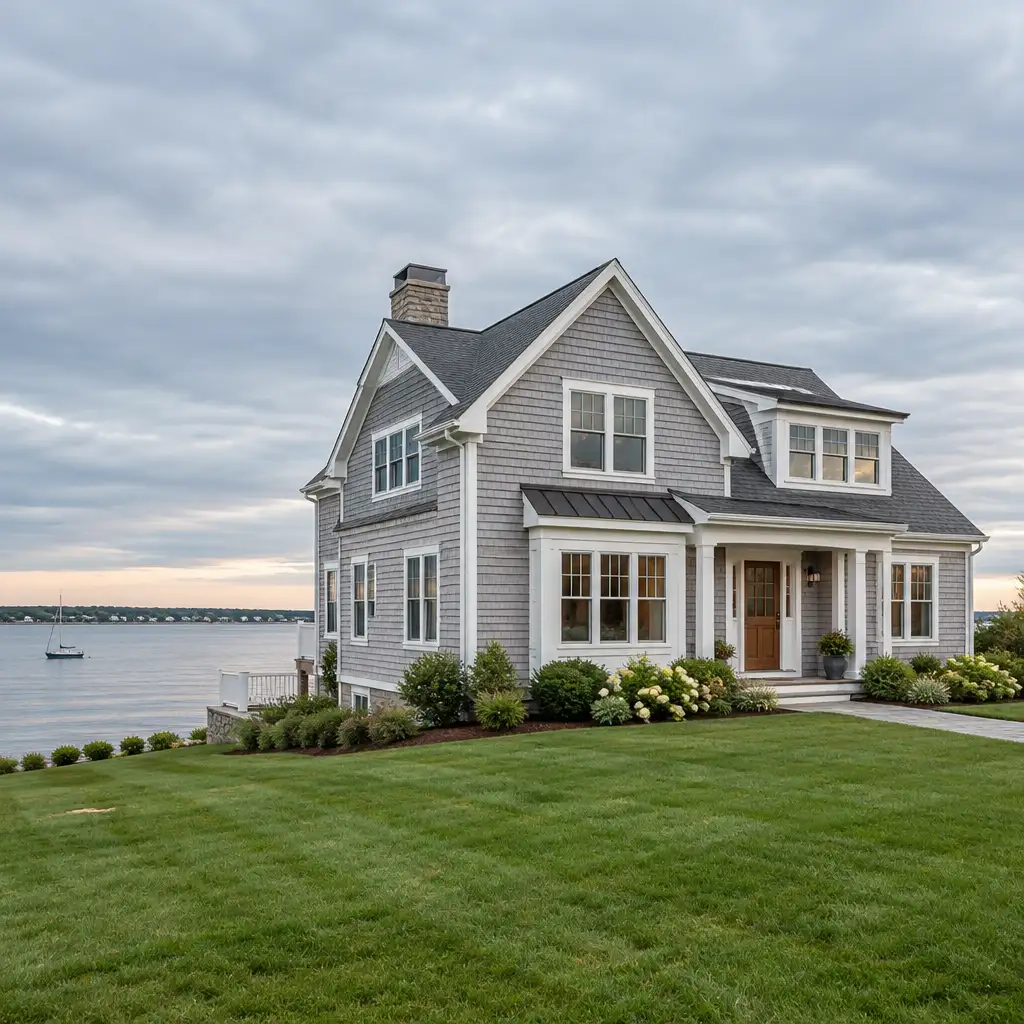
Planning a full exterior replacement for a waterfront home in Somerset brings unique decisions. Salt‑air corrosion, wind‑driven weather, and tidal moisture change the game compared with an inland property. If you own a primary residence, seasonal cottage, or investment property on the Taunton River or near Mount Hope Bay, the wrong material or detail can shorten the life of new siding and roofing and increase long‑term maintenance.
For Somerset homeowners thinking about roof and siding replacement, understanding coastal‑rated systems and proper installation details is essential. Early in the planning process you should be asking about coastal warranties, corrosion‑resistant fasteners, ventilation strategies, and storm‑hardening options. Good local contractors who focus on waterfront work can also help you navigate permitting, insurance credits, and material tradeoffs.
One common starting point is evaluating roofing options for longevity and maintenance. If you’re comparing asphalt architectural shingles, metal, or synthetic slate, ask potential contractors about specific products tested for salt‑air exposure and high winds. RJ Built often reviews product performance and installation details when advising homeowners on roofing services for coastal properties.
This article is written for Somerset homeowners planning exterior replacements and will act as a practical checklist: coastal‑rated siding and roofing systems, ventilation and moisture management, insurance and storm‑hardening tips, contractor selection guidance, and cost versus longevity comparisons to help you make informed choices.
Coastal‑rated materials and salt‑air corrosion protection
Salt spray accelerates corrosion, degrades finishes, and can affect fasteners, flashings, and metal trims. When selecting materials, choose products and accessories specifically rated for coastal use:
- Fasteners and flashings: Use stainless steel or hot‑dip galvanized fasteners and corrosion‑resistant flashings. Standard zinc coatings are often insufficient in waterfront settings.
- Metal roofs and trims: Select high‑grade coated metals (e.g., 55% aluminum‑zinc alloy or PVDF finishes) that carry coastal warranties.
- Roof underlayments and sealants: Choose polymer or synthetic underlayments and compatible sealants tested for salt‑spray resistance.
- Coatings and paints: For wood or fiber cement siding, specify exterior paints and stains rated for marine or coastal exposure; these are formulated to resist chalking and moisture penetration.
Insist on coastal product data sheets and manufacturer warranty conditions. Some warranties include exclusions for salt‑spray environments unless specific finishes or fasteners are used—make sure the installation follows those requirements to keep the warranty valid.
Ventilation, moisture management, and attic considerations
Waterproof materials won’t solve problems created by trapped moisture. Proper ventilation and moisture control are critical for longevity and indoor comfort:
- Balanced attic ventilation: A continuous ridge vent combined with soffit or low intake vents creates airflow that removes heat and moisture. Reduced attic humidity keeps roof sheathing and insulation healthier.
- Vapor control: Evaluate the wall assembly and insulation strategy. Coastal homes with strong wind‑driven rain need well‑sealed wall sheathing, drainage planes, and appropriate vapor retarders to avoid condensation issues.
- Ice and water protection: Use a properly installed ice and water shield at eaves, rakes, and behind vulnerable flashings. This secondary barrier is crucial for waterfront homes where wind‑driven rain can find small entry points.
- Gutters and downspouts: Keep gutters free of debris and sized for heavy runoff. Consider leaf guards and downspout extensions to direct water away from foundations and cladding.
During reroofing or siding replacement, have the contractor inspect sheathing, flashing interfaces around chimneys and dormers, and areas where water intrusion is most common. Replacing or reinforcing damaged substrates during the project avoids premature failures.
Wind, storm‑hardening, and insurance checklist
Somerset waterfront homes are exposed to Nor’easters and occasional hurricanes. Strengthening attachment details and preparing documentation can reduce damage risk and sometimes lower insurance premiums:
- Roof deck attachment: Reinforce roof deck attachment with ring‑shank or ringed nails and follow manufacturer nailing patterns for high‑wind zones. Consider enhanced fastening schedules where permitted.
- Hurricane straps and clips: Tie the roof structure to walls and foundation where possible. These mechanical connectors improve uplift resistance.
- Impact‑resistant roofing: Certain shingles carry impact and wind certifications—ask about insurer discounts for rated products and certified installations.
- Document existing conditions: Take photos, keep product invoices, and get written installation details from the contractor. Proper documentation helps with insurance claims and can support mitigation credits.
Before work begins, check with your insurer about accepted mitigation measures and whether pre‑approved materials or certified installers are required to qualify for discounts. RJ Built can assist homeowners in coordinating installer documentation to support insurance requirements.
Material choices: roofing options for Somerset waterfront homes
Choosing a roofing material involves balancing cost, expected lifespan, maintenance, weight, and resistance to coastal conditions. Common options include:
- Architectural asphalt shingles: Cost‑effective with broad color choices. Look for high‑wind and algae‑resistant ratings and coastal warranties. Proper underlayment and ice‑water barriers are still required.
- Metal roofing (standing seam or panels): Excellent wind resistance, long life (40+ years), and quick shedding of snow and rain. Select marine‑grade coatings and stainless fasteners to prevent corrosion.
- Synthetic slate or composite shingles: Mimic premium materials with lower weight and strong resistance to freeze‑thaw and salt. Some carry long manufacturer warranties and high wind ratings.
- Natural slate or tile: Very long lifespan but heavy and expensive. Requires structural evaluation for waterfront homes where special flashing and lead‑free details are necessary for durability.
When discussing options with contractors, request reference projects in similar coastal settings and ask to see actual installed details—how flashings are terminated, what fasteners were used, and how penetrations were sealed. These details separate average installations from resilient coastal systems.
Material choices: siding options and detailing for salt‑air exposure
Siding must handle moisture, UV exposure, and salt deposition. Typical choices for Somerset waterfront homes include:
- Cedar shingles or clapboard: Traditional Cape Cod look; when properly detailed with pressure‑treated or stainless fasteners and high‑quality finish, cedar can last decades. Regular maintenance (staining or painting) slows deterioration.
- Fiber cement siding: Durable, rot‑ and insect‑resistant, and available in shingle and board profiles. Use corrosion‑resistant fasteners and breathable housewrap for best performance.
- Engineered wood siding: Lower maintenance than natural wood and good aesthetics; choose products with proven coastal performance and proper flashing details.
- High‑quality vinyl siding: Low maintenance and cost‑effective but select thicker gauges and coastal installation details to resist wind uplift and salt staining.
Detailing is as important as material choice: weep holes, painted drip edges, terminus flashings at roof‑to‑wall transitions, and a defined water‑resistive barrier are all essential. For waterfront properties, request stainless or hot‑dip galvanized flashing and fasteners wherever metal meets wood or siding.
Somerset homeowners replacing siding can review options and installation approaches that RJ Built commonly uses for long‑term protection and curb appeal. Learn more about siding replacement best practices on the company’s siding replacement page.
Cost vs. longevity: budgeting and lifecycle comparisons
Making a decision often boils down to upfront cost versus total lifecycle cost. The table below summarizes general expectations; actual prices vary by manufacturer, complexity, and jobsite conditions.
| Material | Approx. Installed Cost (per sq ft) | Expected Lifespan | Maintenance |
|---|---|---|---|
| Architectural shingles | $3.50–$5.50 | 20–30 years | Moderate; underlayment replacement if leaks |
| Metal roofing (coated) | $6.50–$12.00 | 30–60 years | Low; coating inspection every 10–15 years |
| Synthetic slate | $8.00–$14.00 | 30–50 years | Low; occasional flashing maintenance |
| Cedar siding | $4.50–$9.00 | 20–40 years | Higher; periodic staining/painting |
| Fiber cement siding | $5.00–$10.00 | 30–50 years | Low to moderate; repaint every 15–20 years |
Interpretation tips:
- Higher upfront cost for metal or synthetic slate often pays back through lower maintenance and longer service life—especially valuable for retirement or long‑term investment properties.
- Material lifespan assumes correct installation, ventilation, and corrosion‑resistant accessories. Cutting corners on flashings or fasteners shortens service life dramatically.
- For seasonal homes, consider low‑maintenance options that reduce winterization needs and post‑season touchups.
Budget realistically for site access, special coastal details, and potential substrate repairs discovered during removal. Contingency of 10–20% is common for exterior projects on older waterfront homes.
Frequently Asked Questions
Q: How often should I expect to replace a roof on a waterfront home in Somerset?
A: It depends on the material. Architectural shingles last 20–30 years, metal 30–60+ years, and synthetic products vary. Coastal exposure can shorten expected life without proper coastal‑rated products and fasteners. Regular inspections every 3–5 years help catch issues early.
Q: Will choosing coastal‑rated materials reduce my homeowner insurance premium?
A: Possibly. Many insurers offer credits for impact‑resistant roofing, approved wind ratings, and storm‑hardening measures such as hurricane straps. Get quotes from your insurer before and after specifying upgrades and keep installation documentation to support discounts.
Q: How do I select a trustworthy contractor for a full roof and siding replacement?
A: Ask for local references with waterfront projects, verify licensing and insurance, request manufacturer‑approved installer credentials, review sample details for flashings and fasteners, and confirm the project manager or owner will be involved on site. A clear written scope, schedule, and payment milestones also reduce surprises.
When you’re ready to move from planning to estimates, it’s wise to speak with a local contractor experienced in waterfront work. RJ Built provides hands‑on project management and coastal construction expertise to Somerset homeowners replacing roofing and siding. To discuss project specifics or schedule an on‑site evaluation, schedule a consultation with the team.
Your home’s exterior plays a critical role in protecting your investment from New England weather. RJ Built provides roofing, siding, and exterior renovation services designed for long-term durability. Contact us at (508) 989-0101 or info@rj-built.com to learn more.