Introduction
Owning a seasonal cottage in Lakeville can be a wonderful escape—summertime on the water, quiet off‑season streets, and a property that holds fond memories. But many owners reach a point where year‑round use makes sense: retirement plans change, rental income goals evolve, families grow, or the desire for a permanent second home increases. Deciding whether to convert a seasonal cottage into a comfortable, code‑compliant year‑round home is a major decision with construction, permitting, and budget implications specific to the Southcoast region.
This article walks Lakeville homeowners through the practical checklist and cost considerations for a seasonal‑to‑year‑round conversion. We focus on the critical building systems—insulation and moisture control, HVAC upgrades, and plumbing and septic systems—plus permitting, staging strategies, and the likely return on investment for long‑term ownership. Our goal is to equip you with the facts so you can decide confidently whether to proceed now, stage upgrades over time, or plan a larger renovation down the road.
RJ Built is a local Southcoast residential construction team with hands‑on owner involvement and experience across custom homes, additions, and renovations. If you’d like specific renovation examples and project planning resources, read more about our home renovations services to see how similar conversions are managed from concept to completion.
Below is a decision‑support checklist tailored for Lakeville properties, paired with practical cost ranges and energy‑efficiency strategies that matter in our New England climate.
Deciding if conversion fits your Lakeville goals
Start by clarifying why you want year‑round use. Common homeowner goals include retirement relocation, converting a vacation property into a rental or primary residence, accommodating multi‑generational living, or simply improving comfort and resale value. Your answer will drive scope: a modest weatherization and HVAC upgrade looks very different from a full interior renovation with an addition, accessible finishes, and new utilities.
Ask these questions early:
- How many months a year do you want to occupy the home?
- Will you use the home as a primary residence, seasonal rental, or hybrid?
- Do you need aging‑in‑place features like a first‑floor bedroom or accessible bathroom?
- Are you prepared to invest in long‑term efficiency upgrades that reduce operating costs?
Answering these questions helps set priorities. For example, retirees often prioritize a reliable heating system and accessible entries, while investors may focus on permits and systems that support year‑round occupancy and strong rental performance. If you want to understand how a renovation project would be managed from concept to completion, learn about RJ Built and our hands‑on approach to project management and local permitting.
Building envelope: insulation and moisture control
Most seasonal cottages were built for summer use and lack insulation levels, airtightness, and foundation protection required for comfortable winter living. Upgrading the building envelope is the highest‑priority work for year‑round conversion.
Key items on this checklist:
- Attic insulation and air sealing: Add or upgrade insulation to current code levels and seal penetrations to reduce heat loss and ice dam risk.
- Wall insulation: If walls are uninsulated, consider dense‑packed cellulose or closed‑cell spray foam depending on cavity access and budget.
- Foundation and crawlspace: Insulate and condition crawlspaces and add vapor barriers where needed to prevent moisture, mold, and cold floors.
- Windows and doors: Replace single‑pane windows with high‑performance double‑ or triple‑pane units, and weatherstrip doors to eliminate drafts.
- Exterior envelope upgrades: New siding or effective rainscreen systems improve weather resistance and long‑term durability.
Typical cost range: attic and basic air sealing $2,000–$8,000; full wall insulation and siding replacement can range $10,000–$50,000 depending on house size and material choices. These investments pay back through energy savings and increased comfort and are often prerequisites for mortgage financing or insurance for year‑round occupancy.
HVAC and ventilation options for year‑round comfort
Heating and ventilation are core to making a cottage livable in winter. Many seasonal properties rely on portable electric heaters or undersized systems that cannot sustain comfortable temperatures in subzero conditions.
Options to consider:
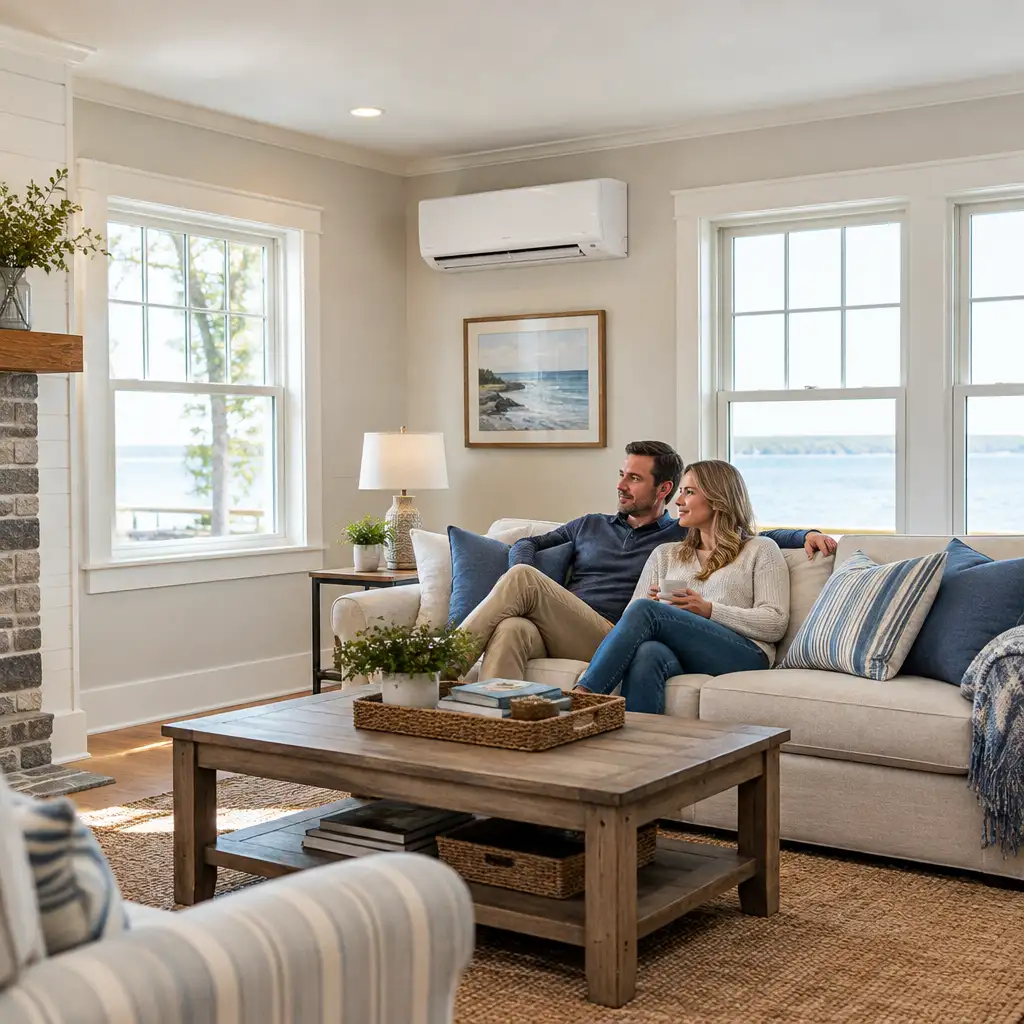
- Ductless mini‑split heat pumps: Efficient, quick to install, and provide both heating and cooling. Excellent for phased upgrades and well‑suited to smaller cottages.
- Central heat pump systems: For larger remodels or additions, a central heat pump with ductwork can deliver even comfort and dehumidification.
- Supplemental systems: Wood stoves or sealed combustion gas units can add comfort and backup heat but require proper clearances, chimneys, and permits.
- Whole‑house ventilation: Mechanical ventilation with heat recovery (ERV/HRV) is critical once you tighten the envelope to maintain indoor air quality without losing the efficiency gains.
Typical costs: ductless mini‑splits $4,000–$12,000 per zone; whole‑house HRV/ERV systems $2,500–$6,000 installed. Choosing the right solution depends on your floor plan, efficiency goals, and whether you plan future additions.
Septic, well, and water systems checklist
Lakeville properties use a mix of town water and private wells, and many seasonal cottages rely on smaller septic systems sized for limited occupancy. Converting to year‑round use often triggers upgrades or inspections.
What to evaluate:
- Septic capacity and condition: Have a licensed inspector evaluate tank condition, leach field performance, and capacity. Some older systems must be replaced or expanded to meet year‑round occupancy standards.
- Well water quality and pump sizing: Test water for contaminants and check pump sizing for increased usage; well components may need replacement if corroded or undersized.
- Stormwater and grading: Ensure proper site drainage to protect septic systems and foundations from groundwater intrusion during freeze/thaw cycles.
- Backflow and freeze protection: Pipe insulation, heat tape for exposed lines, and interior shutoffs can prevent winter freeze damage.
Costs vary widely: septic repairs/replacements typically run $8,000–$30,000 or more depending on soils and permitting; well work can be from a few hundred dollars for maintenance up to $8,000 for pump replacement or well rehabilitation. Always coordinate septic and well work early in the planning stage, since they affect floor plan decisions and permitting.
Permitting, zoning, and inspections in Lakeville
Converting seasonal cottages often requires permits for building, plumbing, mechanical, and septic work. Lakeville’s local boards enforce state and local codes that protect health and safety, so plan for a permitting timeline and associated fees.
Permitting checklist:
- Confirm whether your cottage is in a zoning district that allows year‑round occupancy without special use permits.
- Obtain building permits for structural changes, insulation upgrades, additions, and HVAC replacement.
- Coordinate with the Board of Health for septic permits and any required soil testing or system design.
- Schedule inspections progressively—foundation, framing, mechanical, plumbing, and final—to avoid rework delays.
Working with a local contractor who understands Lakeville and Southcoast permitting can speed approvals and reduce surprises. If you want help evaluating how a project might progress under local rules, schedule a consultation to discuss your property and timelines.
Cost estimates, budgeting, and staging strategies
Conversion budgets vary by scope. Below are rough planning ranges and a staging approach that helps owners manage cash flow while improving comfort and compliance.
Typical budget tiers:
- Weatherization and heating only: $10,000–$40,000 — attic insulation, air sealing, basic wall insulation where accessible, and one or two ductless heat pump zones.
- Systems and envelope upgrade: $40,000–$100,000 — full wall insulation, new windows, upgraded siding, HRV/ERV, and septic/well work as needed.
- Comprehensive renovation or addition: $100,000–$300,000+ — interior reconfiguration, kitchen or bath replacements, foundation work, large septic systems, and new central HVAC.
Staging strategy suggestions:
- Start with safety and code work (septic/well, structural repairs).
- Next, seal and insulate the envelope to maximize the efficiency of any new heating system.
- Install or upgrade HVAC and mechanical ventilation after the envelope is tightened.
- Finish with interior upgrades—kitchen, bath, finishes—once systems are in place and the home is weather‑tight.
Staging reduces immediate costs, allows you to spread financing, and prevents redoing finished work after systems are upgraded. Local contractors who provide full‑service project management can coordinate trades, permitting, and inspections throughout the staging process.
Frequently Asked Questions
Q: How long does a typical seasonal‑to‑year‑round conversion take?
A: Timelines vary by scope. A weatherization and HVAC upgrade can be completed in a few weeks to a couple of months. Comprehensive renovations with septic replacements or additions often take 4–9 months, including permitting and inspections.
Q: Will insulating and adding a heat pump prevent moisture and mold problems?
A: Proper insulation combined with air sealing and controlled mechanical ventilation (ERV/HRV) significantly reduces the risk of condensation and mold. Addressing crawlspace and foundation moisture sources is also essential. A staged approach that tackles sources of moisture first helps ensure success.
Q: What return on investment should I expect if I convert a seasonal cottage to year‑round use?
A: ROI depends on local market demand, the quality of renovations, and your ownership goals. Generally, a well‑executed conversion improves resale value, increases rental income potential, and reduces operating costs through energy efficiency. Strategic upgrades—insulation, modern HVAC, and kitchen/bath improvements—tend to deliver the strongest market returns.
Converting a seasonal Lakeville cottage into a year‑round home is a workable project when you prioritize safety, code compliance, and the building envelope first. Thoughtful staging, local permitting coordination, and energy‑efficient upgrades will make the home more comfortable and protect your investment for years to come.
From kitchens and bathrooms to complete interior transformations, RJ Built helps homeowners create beautiful, functional spaces designed for modern living. Contact us at (508) 989-0101 or info@rj-built.com to begin planning your renovation.