
Introduction
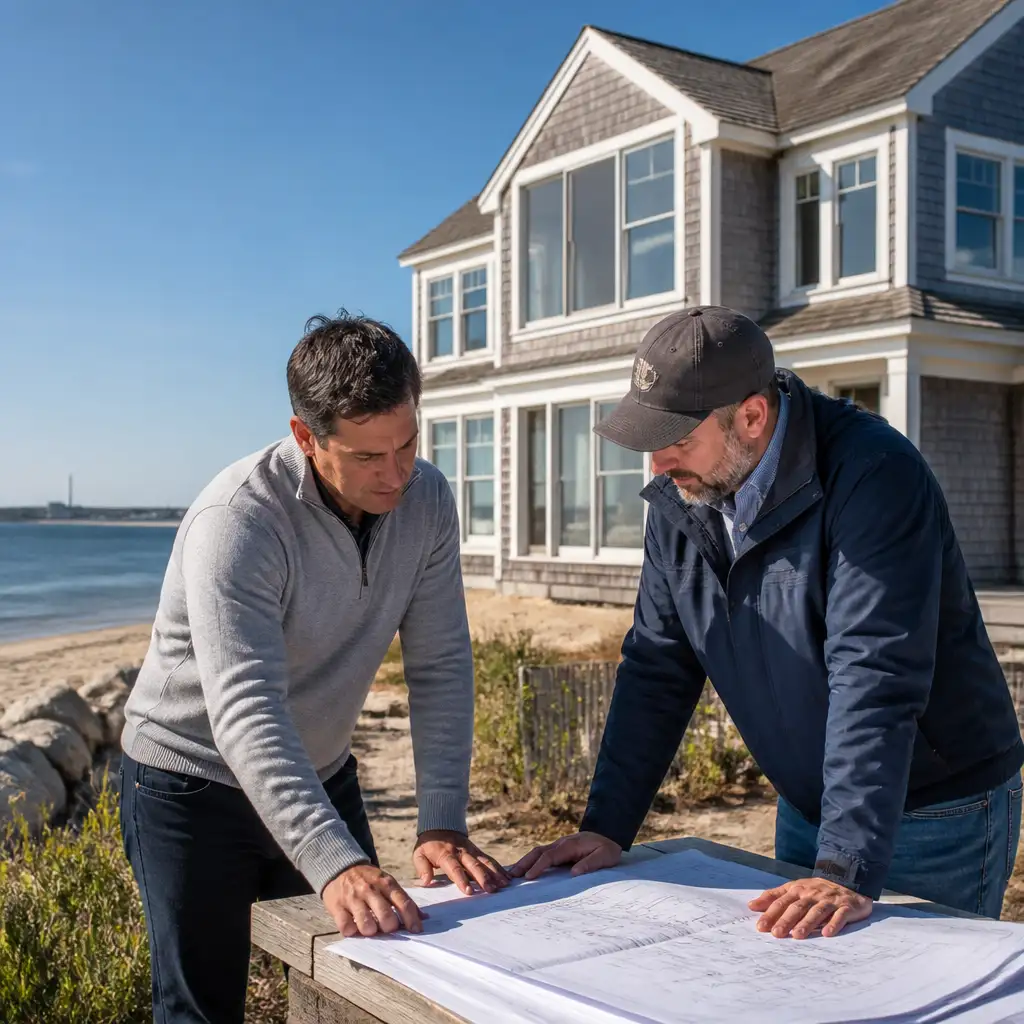
Deciding whether to tear down and rebuild a vacation home in Provincetown is a substantial decision for second‑home owners. Provincetown’s unique coastal location, seasonal market and strict waterfront rules mean the choice between a major renovation and a full rebuild affects costs, timelines and long‑term enjoyment. For many owners, the question comes down to durability, resale value and adapting a property to withstand the salt air and coastal storms that define Cape Cod living.
This article focuses on tear‑down and rebuild projects for vacation or seasonal homes in Provincetown and offers practical decision‑support. We cover site evaluation and permitting, coastal structural and material choices, zoning and setback restrictions particular to Provincetown, and the cost drivers that shape realistic budgets. Whether you’re exploring a full replacement to gain modern energy performance and flood resilience or weighing a renovation that keeps the existing footprint, these points will help clarify next steps.
RJ Built works with homeowners across Cape Cod as a trusted custom home builder Cape Cod owners rely on for site planning, coastal construction expertise and hands‑on project management. If you are evaluating a tear‑down, understanding the practical trade‑offs early on reduces surprises during permitting and construction.
Below is a concise, decision‑focused guide tailored to Provincetown homeowners considering a tear‑down and rebuild vacation property.
Site evaluation and permitting essentials in Provincetown
Start with a professional site evaluation. A qualified builder or engineer will assess foundation condition, flood elevation, septic and well location, and proximity to coastal features such as dunes and tidal marshes. Provincetown sits at the tip of Cape Cod and has sensitive coastal zones; early assessment determines whether a rebuild is practical and what elevation or foundation type will be required to meet local and state regulations.
Permitting in Provincetown involves local zoning, Board of Health requirements for septic systems, and often review by conservation commissions when properties are near dune or wetland areas. A tear‑down triggers new construction permitting rather than renovation permitting, so expect more detailed plan reviews. Working with an experienced local contractor simplifies this: RJ Built’s new home construction process includes site evaluation and permitting coordination to reduce permitting delays and unexpected compliance costs.
Practical tip: collect existing surveys, FEMA flood maps, and any historical permitting files before meeting with town planners. Early coordination with the building department often clarifies allowable building envelopes, required setbacks and necessary mitigation measures for coastal resilience.
Coastal structural and material considerations
Coastal exposure drives many design and material choices. Salt‑laden air accelerates corrosion, and wind‑driven rain increases the need for continuous weather barriers and robust flashing. When planning a rebuild, prioritise materials and systems suited to seaside environments to reduce long‑term maintenance and preserve property value.
Consider these elements:
- Framing and foundation: elevated foundations (pier, pile or raised slab) may be required to meet flood elevation standards. Corrosion‑resistant fasteners and detailing protect structural elements from salt air.
- Exterior cladding: traditional shingle or fibre‑cement siding perform well on Cape Cod when properly ventilated and flashed. Avoid untreated metals or finishes that rapidly degrade in salt air.
- Windows and doors: choose marine‑grade or coastal‑rated windows with durable coatings and strong seals to prevent moisture ingress. Impact‑resistant glazing may be recommended for storm events.
- Roofing: select materials with proven wind performance and corrosion resistance; proper roof ventilation and underlayment are critical in a salt environment.
- Mechanical systems: locate HVAC equipment and utilities where they are accessible yet protected from storm surge; use corrosion‑resistant supports and consider enclosed enclosures for longevity.
These choices often increase initial build costs but lower lifetime maintenance and improve insurability and resale—important for vacation properties where owners may not be on site year‑round.
Zoning, setbacks and waterfront restrictions
Provincetown enforces zoning and coastal protection rules that affect whether you can rebuild in the same footprint or must alter placement. Shoreline setbacks, coastal conservation overlay zones and dune protection ordinances may limit building area, height and permitted alterations.
Specific considerations include:
- Setback distances from mean high water and coastal banks
- Height restrictions that preserve sightlines and community character
- Conservation commission requirements for work near dunes, marshes or vegetation
- Limitations on impermeable surfaces and requirements for stormwater management
Before committing to a tear‑down, confirm the maximum buildable envelope with the town. Sometimes a renovation that respects the existing footprint is easier to permit than a larger new home. Engaging a local designer or surveyor early reduces the risk of redesigns that add time and cost.
Timelines, seasonality and construction logistics
Provincetown’s strong seasonal market affects construction scheduling. The busiest time for contractors and permitting offices is late spring through summer. If you plan a tear‑down and rebuild, expect longer lead times for permits, materials and subcontractors during peak season. Conversely, winter and early spring can be advantageous for securing trades and favourable pricing, though exterior work is limited by weather.
Logistics unique to Provincetown can also influence timelines. Narrow streets, limited staging areas and local traffic restrictions may require careful planning for material deliveries. If your property is on a private lane or near the harbour, plan for alternate delivery routes and storage. RJ Built’s project management emphasises coordinating trades, deliveries and site access to keep projects moving—especially important for vacation‑home owners who need predictable timelines.
Practical planning checklist:
- Confirm permit review timelines with the town before finalising contracts.
- Factor in lead times for coastal‑grade windows, specialised siding and flood‑rated doors.
- Plan staging, waste removal and neighbour communications to minimise disruptions.
Key cost drivers: budgeting for a tear‑down and rebuild
Tear‑down and rebuild projects involve several cost components beyond standard new construction pricing. Understanding primary cost drivers helps you create a realistic budget and compare it to renovation alternatives.
Main cost drivers include:
- Demolition and site remediation: removal of the existing structure, hazardous material abatement (if any), and disposal fees.
- Foundation and flood mitigation: elevating the home, piles or reinforced foundations add to costs but are often mandatory in flood zones.
- Permits and impact fees: local fees, conservation mitigation, and required mitigation measures can be significant in coastal areas.
- Coastal‑grade materials: longer‑lasting siding, corrosion‑resistant hardware and impact‑rated openings cost more up front yet reduce lifecycle costs.
- Custom features and finishes: custom layouts, high‑end kitchens or added sleeping areas for guests increase scope and price.
- Site logistics: difficult access, staging, and hauling costs specific to Provincetown can increase budgets.
As a rule of thumb, rebuild budgets should include contingency (often 10–15%) for unknown site conditions and permitting requirements. For second‑home owners, weigh the long‑term savings from durable materials and energy upgrades against short‑term budget constraints.
Making the decision: tear‑down versus renovate
Deciding whether to tear down and rebuild or renovate depends on goals, property constraints and finances. Use a decision framework to compare options:
- Define goals: Are you prioritising modern living standards, long‑term low maintenance, rental income or preserving a historic footprint?
- Assess condition: If structural issues, severe mould, or foundation failure exist, a rebuild may be more economical and safer than repeated repairs.
- Check buildable area: Confirm whether zoning and setbacks permit a larger or reconfigured home. If setbacks are restrictive, renovation within the footprint might be the only option.
- Model costs: Compare detailed cost estimates for renovation vs rebuild, including lifecycle costs for materials and systems.
- Consider resale and rental value: A modern, resilient rebuild can command higher seasonal rental rates and attract buyers seeking low‑maintenance, energy‑efficient coastal homes.
For many Provincetown second‑home owners, the choice to rebuild is driven by the desire for improved resilience to storms, reduced maintenance with coastal‑rated materials, and the opportunity to reconfigure the home for better guest flow and storage. If you already own the land and are prepared to invest in a durable design, RJ Built’s build‑on‑your‑lot service can translate those goals into feasible plans.
Link to relevant services as you plan: consider professional custom home construction estimates to understand full‑scope costs early, and explore the firm’s build on your lot options if you intend to rebuild on your existing parcel.
Frequently Asked Questions
Q: How long does a tear‑down and rebuild typically take in Provincetown?
A: A full tear‑down and rebuild, from final design and permitting through completion, commonly takes 10–18 months depending on permit timelines, foundation type, and season. Starting permit applications in the off‑season can shorten construction delays.
Q: Will a rebuild on a waterfront lot need to be elevated?
A: Often yes. Many Provincetown waterfront lots require elevation to meet FEMA and local floodplain requirements. The exact elevation depends on FEMA base flood elevations and local codes; your design team will verify required flood levels during site evaluation.
Q: Can I include rental or multi‑generational use in a rebuild design?
A: Absolutely. A rebuild is an excellent opportunity to design flexible floor plans that accommodate rental guests, multi‑generational families or ageing‑in‑place features. Discuss these goals early so the design and mechanical systems support multiple use cases.
For vacation‑home owners considering a rebuild, remember that good planning reduces surprises. If you want professional guidance tailored to your Provincetown lot, you can schedule a consultation to review options and receive an estimate.
If you own land and are ready to build, RJ Built’s Build on Your Lot program offers a straightforward path to creating a home tailored to your lifestyle and goals. Contact us at (508) 989-0101 or info@rj-built.com to discuss your property and explore available home designs.