
Introduction
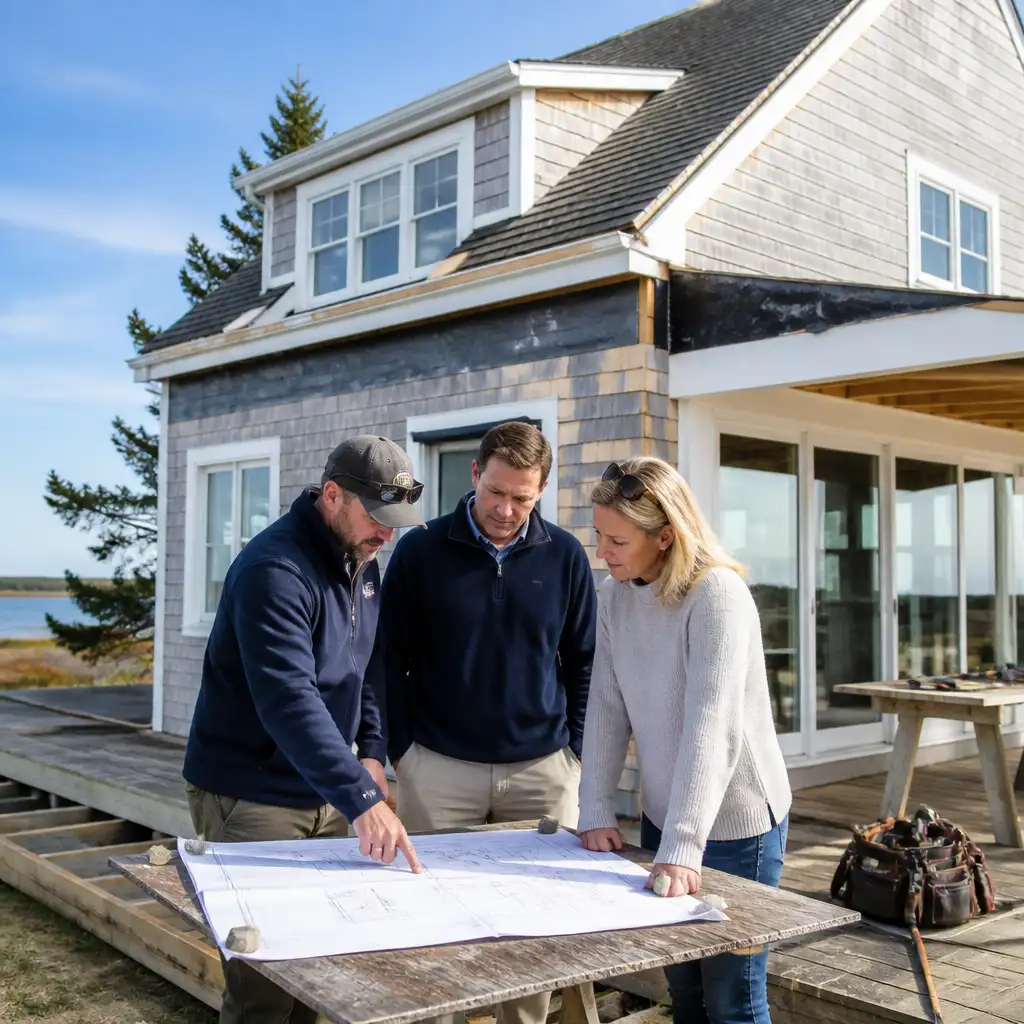
Owning a seasonal cottage in Yarmouth is an invitation to Cape Cod summers, salty air, and family traditions. But when the goal shifts from occasional escapes to comfortable year‑round living, the project becomes about more than cosmetics: it’s about building durability, comfort, and efficiency for New England winters and coastal conditions.
Converting a second home to full‑time use in Yarmouth requires decisions about insulation, heating and cooling, moisture control, and weatherproofing that directly affect comfort, operating costs, and long‑term value. Local conditions—salt spray, wind‑driven rain, and freeze‑thaw cycles—add layers of complexity that differ from inland renovations.
This guide walks second‑home owners, retirees, and investors through a practical roadmap for year‑round conversions in Yarmouth. You’ll get a seasonal‑to‑year‑round checklist, prioritized upgrades for energy efficiency, coastal maintenance planning, cost staging strategies, and how these choices affect resale and financing.
RJ Built works across Cape Cod as a local, hands‑on Cape Cod home builder with coastal construction experience. Use this article to make informed decisions and to start planning a renovation that balances comfort, resiliency, and long‑term value.
Insulation and Envelope Upgrades for Cape Cod Winters
Insulation is the single most important upgrade when converting a seasonal property into a year‑round home. Many older seasonal cottages were built for summer use and have minimal wall and attic insulation, leaky windows, and gaps around doors—leading to cold drafts and high heating costs.
Key steps to prioritize:
- Attic and roof insulation: Add continuous insulation at the roof or deep attic insulation to reduce heat loss and eliminate cold spots. Proper air sealing at roof‑to‑wall transitions prevents warm, moist indoor air from reaching cold sheathing and forming condensation.
- Wall cavity and exterior sheathing: Where practical, upgrade wall cavity insulation and add a continuous exterior insulation layer to reduce thermal bridging—especially important on older frame cottages.
- Windows and doors: Replace single‑pane or drafty windows with energy‑efficient units rated for New England climates. Look for ENERGY STAR windows with good U‑values and coastal performance ratings.
- Air sealing: Invest in targeted air sealing around plumbing penetrations, attics, rim joists, and window/door openings. A blower‑door test helps pinpoint major leaks.
These upgrades not only improve winter comfort but reduce energy bills year‑round. For homeowners considering interior or exterior remodeling, integrate envelope upgrades into the scope of your home renovations to coordinate trades and avoid rework.
HVAC and Ventilation Upgrades for Year‑Round Comfort
Seasonal homes often rely on small, inefficient space heaters or older oil furnaces. Upgrading heating, cooling, and ventilation systems is essential for consistent comfort and indoor air quality when occupying a home year‑round.
Practical HVAC options for Yarmouth second homes:
- Heat pumps (air‑source or cold‑climate models): Modern heat pumps provide efficient heating and cooling, reduce fossil fuel dependence, and can be paired with supplemental heat for the coldest days.
- Right‑sizing equipment: Ensure systems are sized for the fully insulated envelope. Oversized equipment cycles frequently and underperforms.
- Balanced ventilation: Install HRV/ERV systems or high‑quality mechanical ventilation with heat recovery to remove excess moisture and bring in fresh air without losing heat.
- Smart controls: Use programmable thermostats and zone control so you can manage comfort remotely when the home is unoccupied for stretches.
Coordinating HVAC right after envelope upgrades saves energy and prevents comfort issues. Discuss system options with a qualified contractor so your HVAC strategy aligns with insulation and air‑sealing work.
Moisture Management and Mold Prevention in Coastal Homes
Moisture is the top threat to year‑round comfort and durability in Cape Cod homes. Seasonal homes that were left unheated in shoulder seasons often show hidden mold, rot, and corrosion when converted to full‑time use.
Essential moisture control steps:
- Vapor control and drying paths: Design assemblies so moisture can dry outward. Use appropriate vapor retarders in walls and consider drainage planes behind siding to keep water from reaching sheathing.
- Condensation control: Proper insulation, continuous air barriers, and balanced ventilation prevent warm, moist indoor air from condensing on cold surfaces.
- Basement and crawlspace solutions: Seal and insulate basements or condition them with mechanical systems. For crawlspaces, install a ground vapor barrier, insulate rim joists, and ensure continuous ventilation or conditioning.
- Routine inspection: After initial renovations, schedule seasonal checks for roof leaks, flashing integrity, and condensation in attics and closets.
Addressing moisture at the time of renovation avoids costly repairs later and protects indoor air quality for full‑time occupants.
Coastal Weatherproofing and Material Choices
Salt air and coastal storms accelerate wear. Choosing durable materials and detailing for Yarmouth’s environment extends service life and reduces maintenance.
Material and detailing recommendations:
- Siding and trim: Consider fiber cement, engineered cladding, or high‑quality cedar with protective finishes. Ensure proper flashing and a ventilated rainscreen for drainage.
- Fasteners and hardware: Use stainless steel or high‑performance coated fasteners and hardware to resist corrosion from salt exposure.
- Deck materials: For outdoor living upgrades, specify composite decking or pressure‑treated materials with corrosion‑resistant fasteners. Learn more about custom deck construction and outdoor living options at our deck construction page.
- Roofing and flashing: Durable roofing systems, ice‑and‑water shields, and corrosion‑resistant flashing keep water out during Nor’easters and blustery Cape Cod weather.
- Storm preparedness: Consider impact‑rated windows, reinforced gable end framing, and hurricane ties for higher wind resistance.
These choices add upfront cost but reduce long‑term maintenance and protect value in a coastal market.
Cost Staging and Budgeting Your Renovation
Converting a seasonal home to year‑round living is often done in stages. Staging allows owners to spread cost, prioritize critical systems, and improve financing options for later work.
Recommended staging sequence:
- Immediate envelope fixes: Air sealing, attic insulation, and essential window repairs to stop heat loss.
- HVAC and ventilation: Install or upgrade heating and balanced ventilation to protect the home while you complete other work.
- Weatherproofing and exterior upgrades: Siding, flashing, roofing, and porch/deck updates to defend against salt, wind, and rain.
- Interior comfort and finishes: Kitchen and bath upgrades, flooring, and cosmetic projects after systems are in place.
Budgeting tips:
- Get a written scope and phased budget from a local Cape Cod renovation contractor so you can compare priorities and long‑term costs.
- Factor in contingency for hidden damage like rotten framing or mold remediation.
- Investigate local incentives, energy rebates, or financing that reward heat pump installations or insulation upgrades.
Working with a local Cape Cod home builder with hands‑on project management helps keep staged projects coordinated and minimizes duplicate mobilizations.
Resale Value and Long‑Term Ownership Considerations
Converting a seasonal property to year‑round use typically improves marketability and resale value in Yarmouth. Year‑round homes appeal to a wider buyer pool—local families, retirees, and investors—than strictly seasonal cottages.
Value drivers to communicate to future buyers:
- Energy efficiency: Upgraded insulation, modern HVAC, and energy‑efficient windows translate to lower operating costs.
- Durability and low maintenance: Coastal‑appropriate materials and salt‑air maintenance plans reassure buyers about long‑term upkeep needs.
- Permitted, quality work: Proper permits and professional craftsmanship add confidence and protect resale value.
When you’re ready to discuss project scope, timelines, and how upgrades affect resale, request a quote to schedule a consultation with an experienced local builder. RJ Built’s hands‑on ownership model ensures consistent communication and oversight throughout renovation work, strengthening trust in every stage.
Frequently Asked Questions
Q: How long does it take to convert a seasonal cottage to year‑round occupancy?
A: Timelines vary with scope. Basic envelope and HVAC upgrades can take a few weeks to a couple of months; full interior and exterior renovations typically take several months. Phased planning helps keep the home protected while work progresses.
Q: Will upgrading insulation and HVAC reduce my energy bills enough to justify the cost?
A: Yes—proper insulation combined with a right‑sized, efficient heating system (like a cold‑climate heat pump) and balanced ventilation can significantly lower heating costs and improve comfort. Incentives and rebates may offset initial costs.
Q: What special maintenance should I plan for a coastal year‑round home?
A: Plan for seasonal inspections: rinse salt from exterior surfaces, check gutters and flashing after storms, inspect deck fasteners, and repaint or recoat wood trim as needed. Using corrosion‑resistant materials and a proactive maintenance schedule reduces long‑term repair needs.
Thinking about adding a custom deck to your Cape Cod or Southcoast home? RJ Built designs and builds outdoor living spaces using premium materials that are built to last. Call (508) 989-0101 or email info@rj-built.com to schedule a consultation.