Introduction
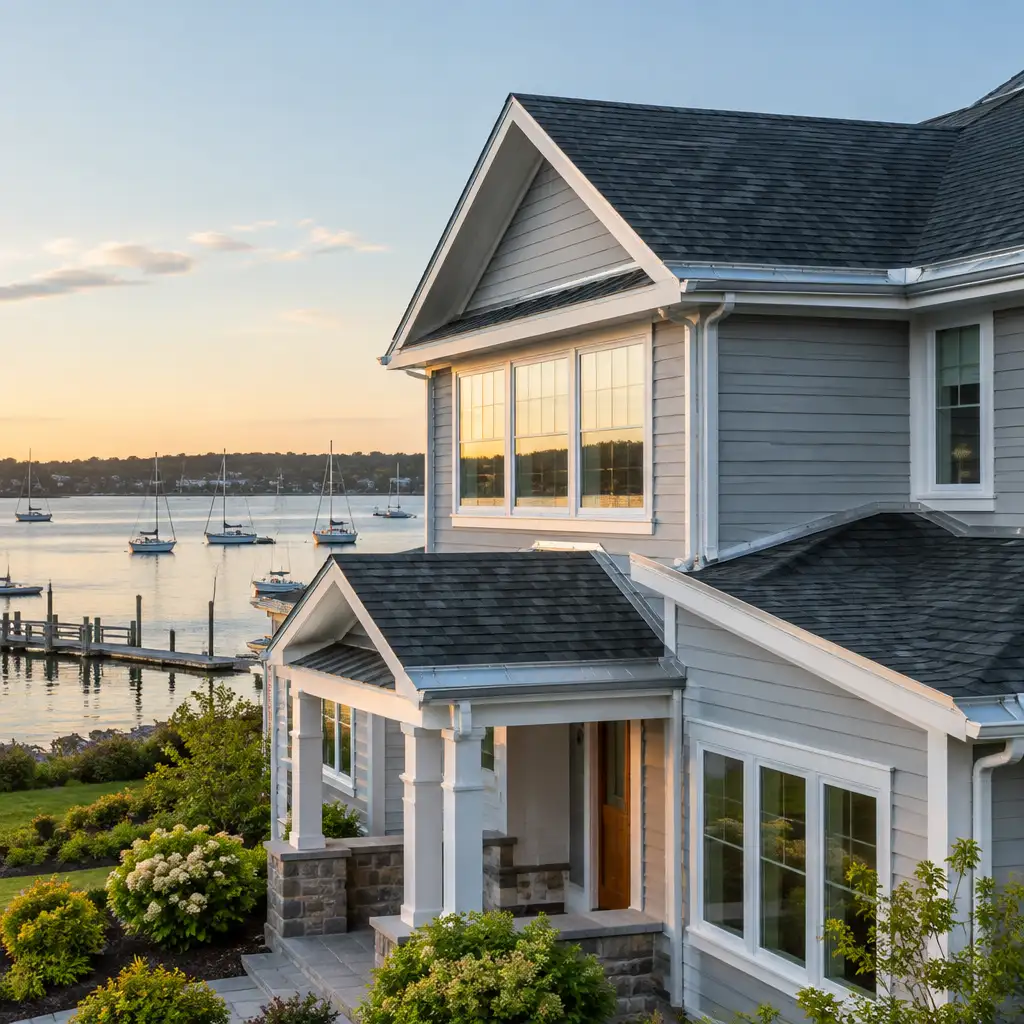
Replacing the siding and roof on a waterfront home in Fairhaven is a major decision for homeowners, second-home owners, retirees, and investors alike. Salt air, high winds, and frequent moisture cycles along the New Bedford Harbor and Buzzards Bay create a different set of priorities than inland projects. Choosing the right materials, detailing, and contractors can protect your investment and reduce long-term maintenance.
For Fairhaven property owners considering an exterior overhaul, the stakes include storm resilience, insurance compliance, energy performance, and resale value. A well-executed siding and roofing replacement not only increases curb appeal but also reduces the risk of water intrusion and corrosion that can lead to structural damage over time.
As a local team with coastal construction experience, RJ Built understands how waterfront exposure changes material lifecycles and installation techniques. This article walks through material comparisons, corrosion control, ventilation and moisture management, permitting and inspections in Fairhaven, and realistic cost and ROI expectations for waterfront properties.
Use this guide to feel more confident when planning your project and when talking with contractors, insurers, and building inspectors. If you’re evaluating bids from a Cape Cod renovation contractor, these points will help you compare value, not just price.
Choosing Weather-Resistant Siding for Fairhaven Waterfront Homes
On waterfront properties, siding must resist salt corrosion, fend off wind-driven rain, and limit maintenance. Popular durable choices for Fairhaven homes include fiber cement, engineered cedar shingles, and high-grade PVC or cellular PVC trim systems. Each has trade-offs:
- Fiber cement: Highly durable, non-combustible, and available in shingle or board profiles. It resists rot and insect damage but requires proper flashing and sealants to prevent water intrusion at seams and penetrations.
- Engineered cedar shingle: Offers classic Cape Cod aesthetics with improved dimensional stability and better resistance to cupping than untreated wood. Look for factory-finished options and stainless-steel fasteners for longevity in a salt environment.
- Vinyl or cellular PVC: Low maintenance and resistant to rot and pests. Cellular PVC has better thermal properties and a more premium appearance than standard vinyl.
When choosing a material, prioritize systems designed for coastal exposure and confirm manufacturer warranties explicitly cover salt-air conditions. RJ Built often pairs durable siding with proper substrate and drainage planes to extend service life. For homeowners exploring exterior options, our siding replacement page outlines common material choices and installation practices suited to coastal settings.
Best Roofing Materials for Salt-Air and High Winds
Roofing choices for Fairhaven waterfront properties should emphasize wind uplift ratings, corrosion-resistant components, and long-term weather protection. Common options include architectural asphalt shingles with high wind ratings, metal roofing (e.g., standing seam), and premium composite shingles with marine-grade fasteners.
Consider these factors when weighing materials:
- Wind resistance: Choose products tested and rated for high wind zones. Coastal Massachusetts can experience Nor’easters and occasional hurricane-force gusts—look for Class H or high-wind-rated systems.
- Corrosion resistance: Metal roofs can last decades if using aluminum or high-grade coated steel with stainless or hot-dipped galvanized fasteners. Asphalt shingles should be paired with corrosion-resistant flashing and stainless steel fasteners where specified.
- Fire and insurance considerations: Some insurers offer premium credits for Class A fire-rated roofs or impact-resistant products.
Discuss roofing options with contractors who specialize in coastal work. Our roofing services page explains common upgrades and the installation details that matter for waterfront homes.
Corrosion, Fasteners, and Flashing: Handling Salt-Air Damage
Salt accelerates corrosion and can undermine even the best materials if fasteners and flashings are not specified correctly. Small oversights—like standard galvanized nails or aluminum flashing—can lead to staining, leaks, and faster degradation.
Key installation details to control corrosion:
- Stainless-steel fasteners: Use A2 or A4 stainless where metal meets wood or where exposure to salt spray is likely. This includes siding nails, shingle nails, and deck screws for trim connections.
- Proper flashing materials: Specify marine-grade flashing—stainless or properly coated metals—around chimneys, valleys, roof-to-wall transitions, and windows. Use compatible sealants recommended for coastal exposure.
- Thermal movement and differential metals: Avoid incompatible metal pairings that create galvanic corrosion. For example, do not fasten copper directly to aluminum without appropriate isolation.
Pay attention to hidden details—underlayment quality, lapping clearances, and drip edge installation all affect long-term performance. A Cape Cod renovation contractor with coastal experience will document these details in proposals and warranties.
Ventilation, Moisture Management, and Insulation for Coastal Homes
Moisture control is as important as material choice. Waterfront homes experience frequent humidity swings, which can lead to condensation, mold, and rot if roof and wall assemblies are not detailed correctly.
Important strategies include:
- Continuous drainage plane: Install a water-resistive barrier and an effective rainscreen or furring system to allow siding to dry and drain. This is critical for fiber cement and shingle installations.
- Proper attic ventilation: Ensure balanced intake and exhaust ventilation; soffit vents and ridge vents work together to reduce attic heat and moisture buildup. Consider conditioned attic strategies if you’re upgrading insulation levels.
- Insulation and air-sealing: Improve thermal performance with continuous exterior insulation or properly installed cavity insulation coupled with a tight air barrier to limit interior moisture migration into assemblies.
When planning a replacement, include a moisture-management review in your scope so the finished system performs well year-round. For broader exterior work that includes more than siding and roofing, see our home renovations services for integrated approaches that improve durability and efficiency.
Permits, Inspections, Insurance, and Storm Resilience in Fairhaven
Fairhaven has specific requirements and inspection practices for coastal properties. Before work begins, verify local permit requirements, historic district rules (if applicable), and flood-zone restrictions. Projects within certain coastal overlays may require engineered details or additional storm-resilience measures.
Practical tips for compliance and resilience:
- Early permitting: Start permit conversations early. A qualified contractor can submit drawings and documentation that speed approval and prevent costly rework.
- Inspection readiness: Schedule inspections at critical milestones—sheathing, underlayment, flashing, and final—so deficiencies are caught and corrected promptly.
- Insurance coordination: Talk to your insurer before selecting materials. Upgrades such as impact-resistant roofing, stronger attachment methods, and elevated mechanicals may lower premiums or meet coverage requirements.
- Storm-hardy details: Consider secondary water barriers, reinforced roof-to-wall connections, and storm straps where applicable to increase wind resilience.
If you have questions about the local permitting process or want a contractor who understands Fairhaven’s coastal landscape, contact RJ Built to discuss your property and next steps.
Cost Expectations and ROI for Waterfront Roofing and Siding Replacements
Costs for waterfront projects are typically higher than similar inland jobs because of upgraded materials, corrosion-resistant components, and more exacting installation standards. Typical ranges (ballpark) for Fairhaven waterfront homes:
| Project | Typical Range | Notes |
|---|---|---|
| Siding replacement (fiber cement or engineered shingles) | $12,000 – $40,000+ | Depends on square footage, trim complexity, and material choice |
| Roof replacement (architectural shingles) | $8,000 – $25,000+ | Varies with roof complexity and wind-rating upgrades |
| Metal roof (standing seam) | $20,000 – $60,000+ | Higher initial cost but long lifespan and low maintenance |
Return on investment for exterior upgrades on waterfront homes can be strong—buyers value durable, low-maintenance finishes and documented storm resilience. Replacing aging siding and roofing often recoups a significant portion of cost at sale, and the non-financial benefits—lower maintenance, peace of mind during storms, and improved energy performance—are meaningful for retirees and second-home owners.
When vetting contractors, compare complete scopes that list materials, fasteners, flashing details, ventilation plans, and warranty coverage. A Cape Cod renovation contractor should provide transparent pricing and explain the long-term value of coastal-grade products and installation practices.
Frequently Asked Questions
Q: How often should siding and roofing be inspected on a waterfront home?
A: Inspect at least annually and after major storms. Look for loose shingles, corroded flashing, stained siding, and soft spots. Regular inspections help catch problems early and extend service life.
Q: Will coastal-grade materials eliminate all maintenance?
A: No material is maintenance-free, but coastal-grade materials and stainless-steel fasteners greatly reduce routine upkeep and slow deterioration. Proper installation and ventilation are equally important for reducing long-term maintenance needs.
Q: Do I need an engineer for a siding and roof replacement?
A: Most straightforward replacements don’t require an engineer, but if you’re changing roof structure, raising rooflines, or your home is in a high-velocity flood zone, an engineer’s input may be necessary to meet code and insurance requirements.
Your home’s exterior plays a critical role in protecting your investment from New England weather. RJ Built provides roofing, siding, and exterior renovation services designed for long-term durability. Contact us at (508) 989-0101 or info@rj-built.com to learn more.